
 AWS
 Microsoft Azure
 Google Cloud


The Short Answer
There is no universal best cloud cost optimization tool for every Singapore organization. Usage.ai and ProsperOps focus strongly on commitment automation, while Zesty and Harness combine optimization with infrastructure or engineering capabilities.CloudHealth, Flexera One, and IBM Cloudability suit broader enterprise FinOps and governance requirements, while CloudZero emphasizes unit economics. Native provider tools are sensible starting points, and CloudVerse adds multi-cloud coverage that includes several Asian cloud providers.
Cloud Cost Tools at a Glance
| Tool | Best for | Main strength | Consider |
|---|---|---|---|
| Usage.ai | Commitment-heavy AWS, Azure, and GCP estates | Managed Flex Commitments with cashback protection | Confirm eligible commitments and program terms |
| ProsperOps | Automated multi-cloud rate optimization | Continuous commitment and workload optimization | Verify feature depth for each provider |
| Zesty | Commitment and Kubernetes optimization | AWS and Azure commitments plus Kubernetes efficiency | Confirm supported services and regions |
| Harness | Engineering-led FinOps | Attribution, governance, infrastructure automation, and AI costs | Evaluate module and automation requirements |
| CloudHealth | Enterprise cloud governance | Multi-cloud visibility, policy, and financial management | Assess implementation and operational ownership |
| Native tools | Single-cloud teams | Provider-native billing data and recommendations | Cross-cloud comparison remains fragmented |
| CloudVerse AI | Regional multi-cloud estates | Coverage spanning major global and Asian cloud providers | Validate maturity, pricing, and deployment needs |
| Flexera One | FinOps combined with ITAM and SaaS management | Broad technology-spend governance | May exceed a cloud-only requirement |
| CloudZero | SaaS and AI unit economics | Cost attribution by customer, product, feature, or outcome | Confirm required optimization execution |
| IBM Cloudability | Finance-led enterprise FinOps | Allocation, forecasting, governance, and optimization | Scope implementation and automation carefully |
How We Evaluated Singapore Cloud Cost Tools
This category-led shortlist does not claim one platform is best for every environment. We considered cloud coverage, allocation, waste reduction, commitments, execution, governance, reporting, integrations, commercial model, and suitability for Singapore teams.Recommendation and execution were assessed separately. Identifying savings differs from purchasing commitments, changing resources, or governing actions through approvals.
We are Usage.ai, the publisher of this article, and our platform appears in the comparison. Our product descriptions use official Usage.ai material; competing products are summarized from their current public documentation and should be validated directly during procurement.
Best Cloud Cost Optimization Tools in Singapore
1. Usage.ai: commitment risk management
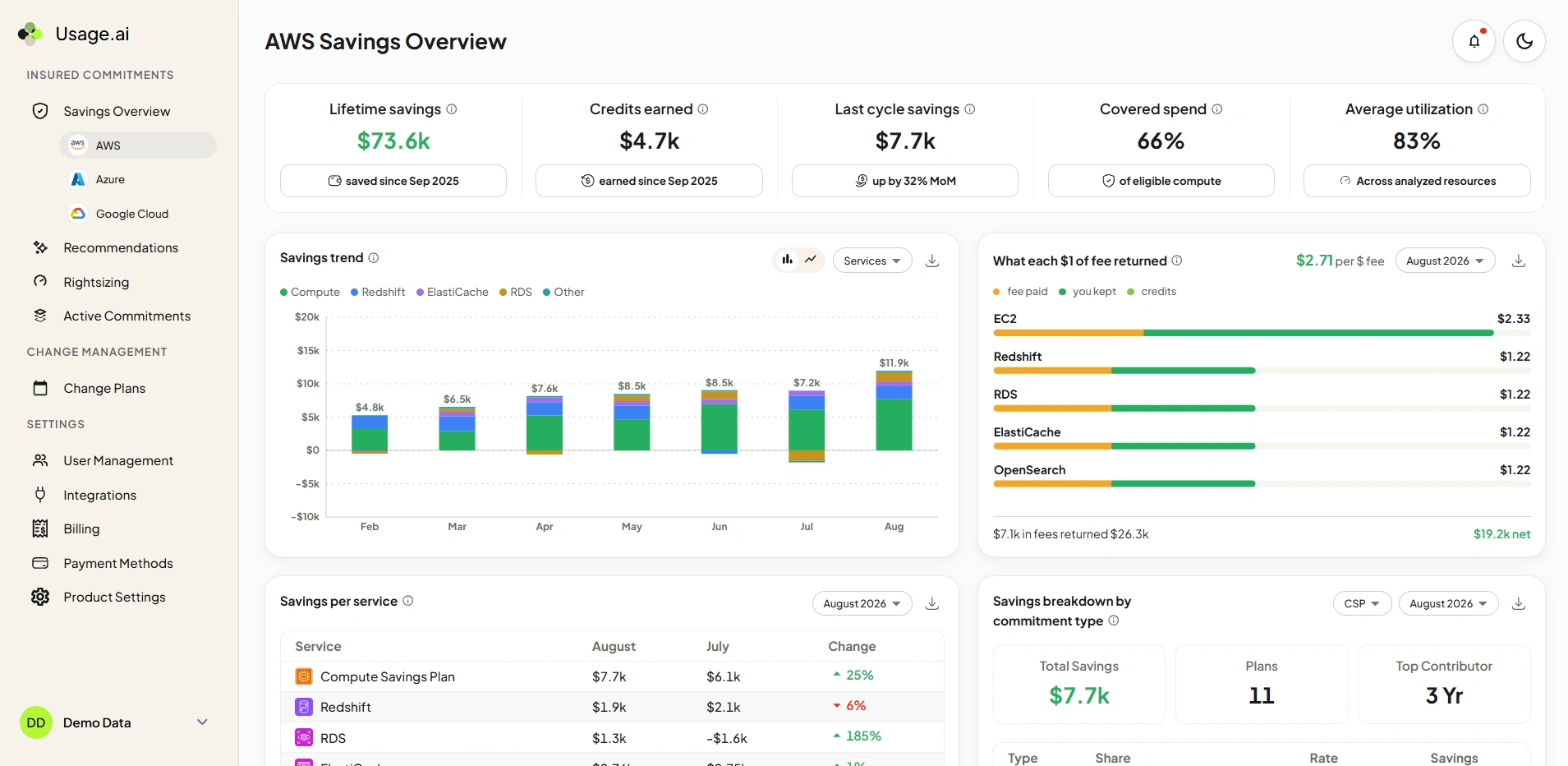
Our Flex Commitment Program includes cashback protection for eligible commitments and reports realized savings. It fits teams with a stable eligible baseline that do not want the full downside of a traditional commitment.
Best for: Teams seeking managed multi-cloud commitment purchasing and defined downside protection.
Consider: Eligibility, permissions, loss calculations, payment timing, and protection remain subject to current program terms.
2. ProsperOps: autonomous rate optimization
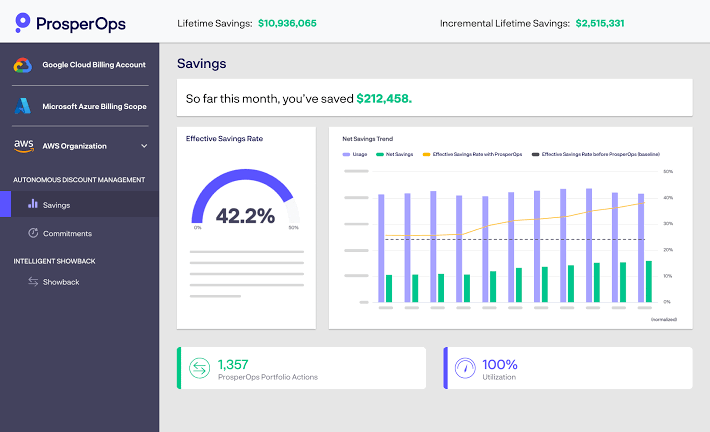
It suits teams wanting high-frequency rate optimization without making every adjustment manually. Showback and Effective Savings Rate reporting help communicate results.
Best for: FinOps teams prioritizing automated commitments and measurable rate-optimization outcomes.
Consider: Confirm the exact commitments, resources, automation, and commercial terms supported for each cloud.
3. Zesty: commitments and Kubernetes efficiency
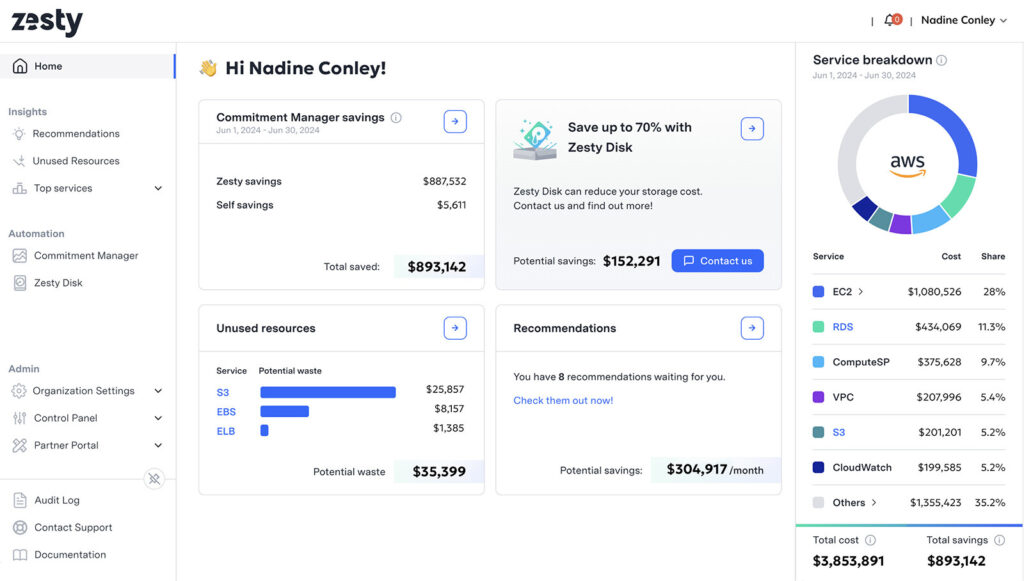
That combination is useful when commitment coverage and infrastructure utilization must improve together. Buyers should request an environment-specific pricing proposal.
Best for: Teams combining AWS or Azure commitment requirements with Kubernetes optimization.
Consider: Validate supported commitment products, regions, required permissions, and expected ROI for the selected modules.
4. Harness: engineering-led cost control

This suits organizations that want engineering teams to act on costs rather than leave optimization entirely with finance. Assess whether the wider Harness platform is needed.
Best for: Engineering organizations that want attribution, governance, and optimization close to delivery workflows.
Consider: Confirm which actions are fully automated for each provider and which require configuration or approval.
5. CloudHealth: enterprise governance
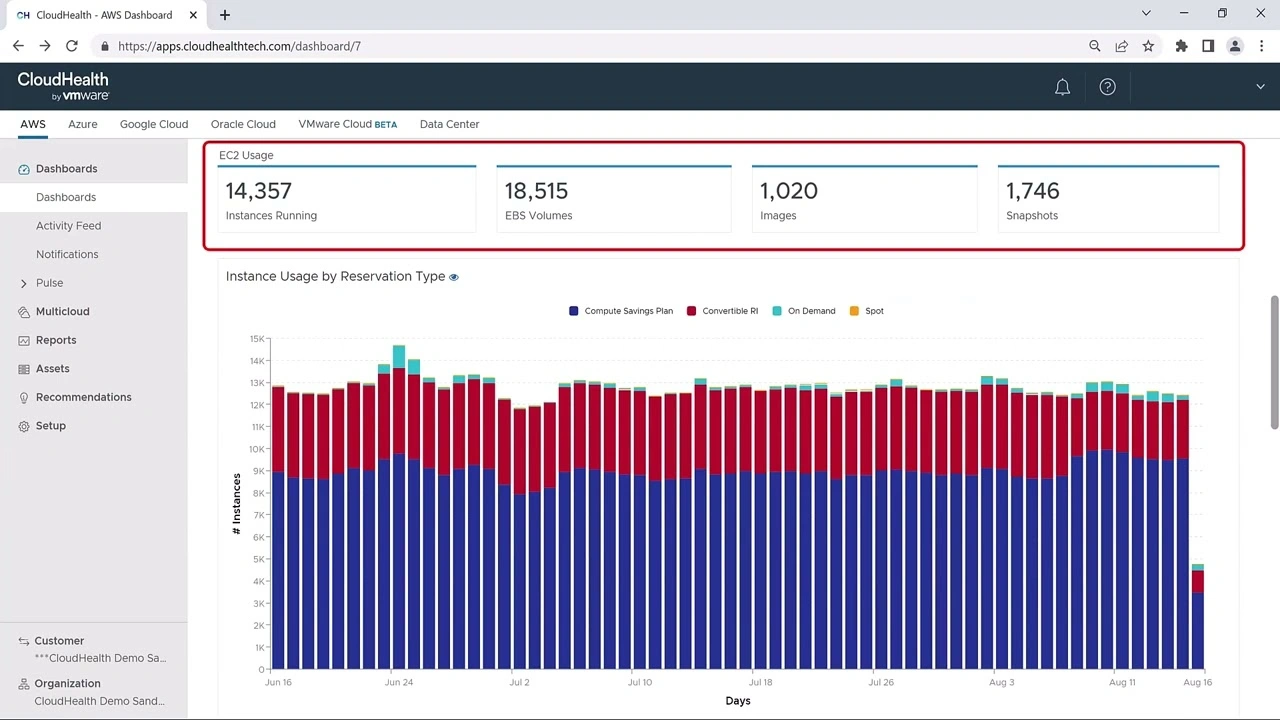
It fits formal enterprise FinOps programs better than teams needing a lightweight savings tool. Define policies, account structures, allocation, and reporting ownership before implementation.
Best for: Large organizations and managed service providers requiring governance, allocation, and executive reporting.
Consider: Compare implementation effort and execution capabilities with the organization’s actual optimization priorities.
6. Native AWS, Azure, and GCP tools
Native tools are a practical starting point, but their capabilities and workflows differ by provider. AWS Cost Explorer supports AWS cost and usage analysis; Microsoft Cost Management supports cost analysis, budgets, exports, and alerts; and Google Cloud FinOps hub centralizes current savings and optimization recommendations. Evaluate each native tool on its provider-specific workflow before treating them as equivalent.They are logical when one provider dominates. Multi-cloud teams must still reconcile different data models, permissions, recommendations, and workflows.
Best for: Single-cloud teams wanting native cost visibility and provider-specific recommendations.
Consider: Determine whether internal teams can consistently review, approve, execute, and measure recommendations.
7. CloudVerse AI: regional multi-cloud visibility
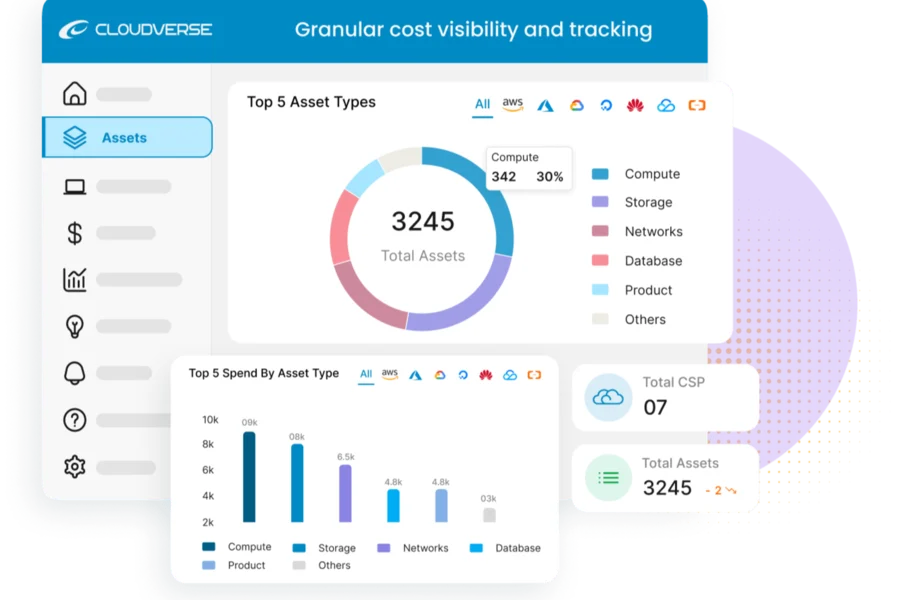
CloudVerse also documents capabilities for allocation, anomaly detection, chargeback, commitment analysis, and optimization, although feature depth may vary by provider.
It also covers Kubernetes, data-platform, and AI-spend use cases. Verify which integrations and automation features are available rather than planned.
Best for: Singapore and APAC teams requiring visibility across Western and Asian cloud providers.
Consider: Validate product maturity, deployment model, customer references, security controls, and pricing.
8. Flexera One: wider technology-spend management
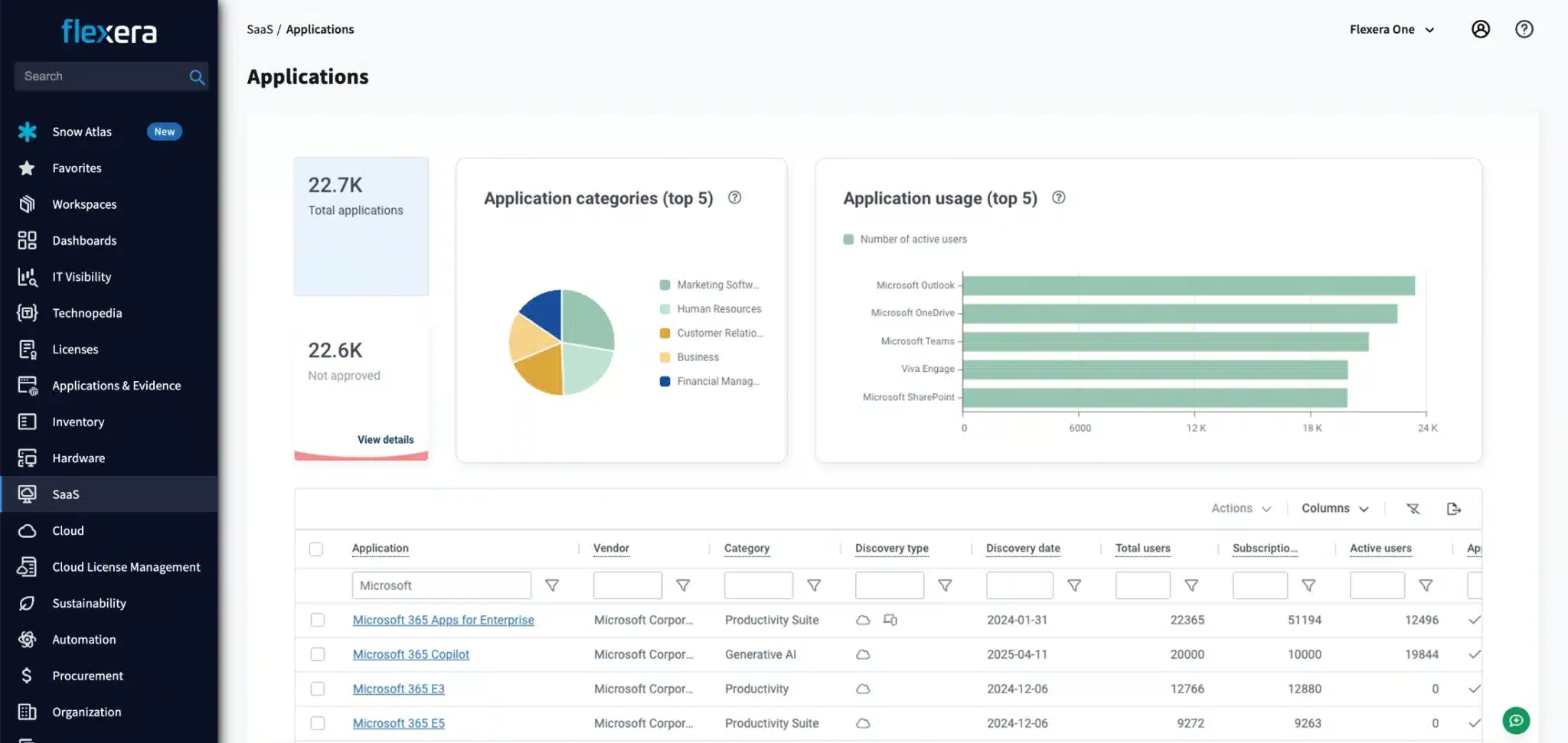
That breadth may be unnecessary for a narrow optimization problem. Evaluate required modules and the operating model rather than treating it as a substitute for every specialist.
Best for: Enterprises combining FinOps with ITAM, SaaS, licensing, and hybrid-estate governance.
Consider: Confirm whether the additional platform scope justifies cost and implementation complexity.
9. CloudZero: unit economics
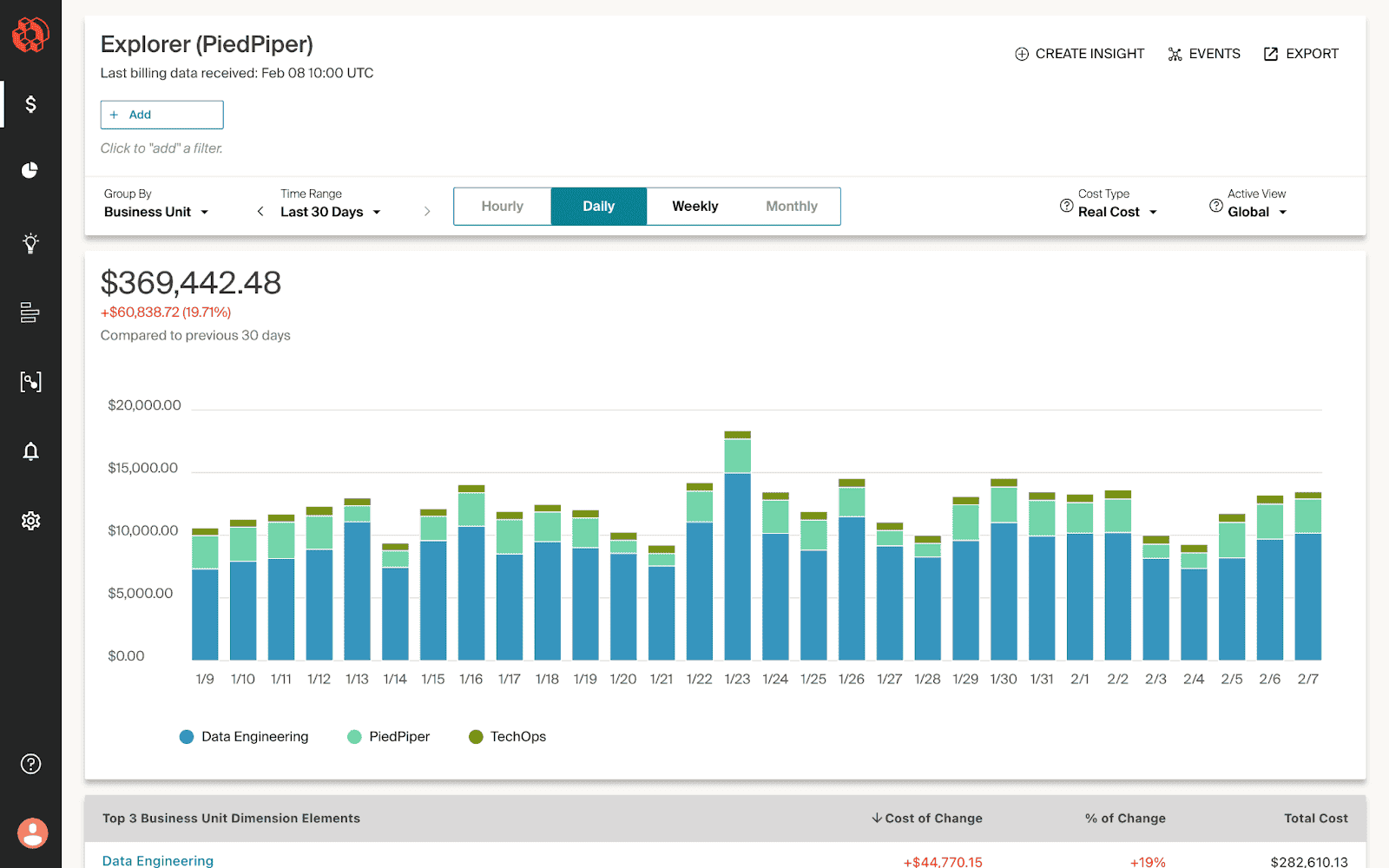
It suits Singapore digital-product teams connecting cloud costs to margin and pricing. Assess it for unit economics, not solely as a commitment-management product.
Best for: Organizations that need granular cost attribution and business-facing unit metrics.
Consider: Confirm whether its optimization actions match requirements beyond attribution and analytics.
10. IBM Cloudability: finance-led FinOps
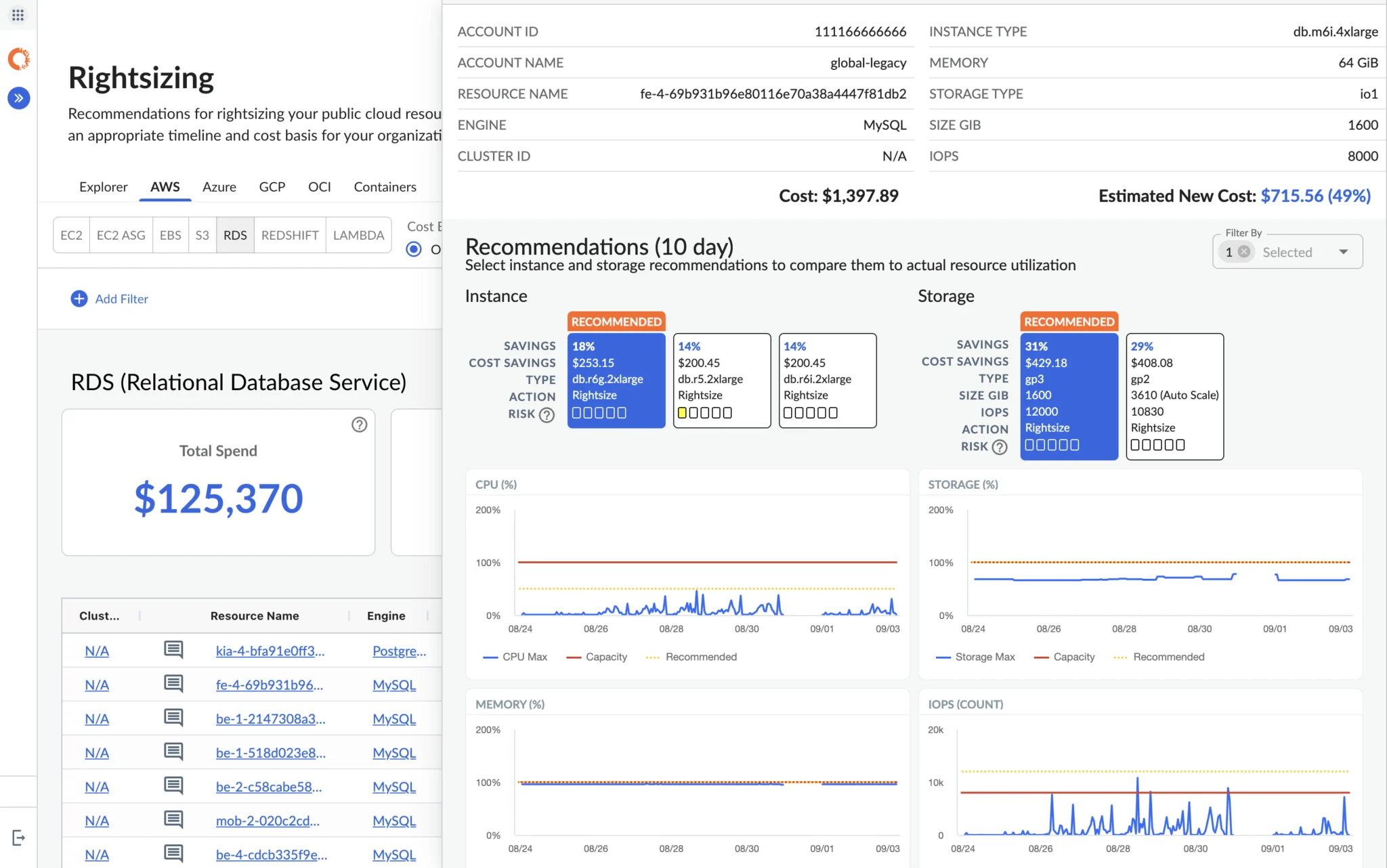
Cloudability fits organizations needing consistent cost data across finance, engineering, product, and procurement. Implementation should begin with ownership and allocation requirements.
Best for: Finance-led FinOps programs requiring allocation, forecasting, reporting, and enterprise governance.
Consider: Separate documented recommendations and automation from the exact actions required in your environment.
How to Choose a Singapore Cloud Cost Tool
Start with the operating problem, not the longest feature list:Define the outcome. Decide whether the priority is bill visibility, allocation, idle-resource removal, Kubernetes efficiency, unit economics, governance, or commitment optimization.
Map the estate and cost data. Record providers, services, accounts, regions, clusters, existing commitments, and negotiated rates. Then confirm effective-cost treatment, negotiated-rate ingestion, shared-cost and Kubernetes allocation methods, tag or label enforcement, and export or API access.
Test execution depth. Ask what the platform merely reports, what it recommends, what it can execute, and which actions require approval.
Run a Singapore procurement check. Confirm the contracting entity, governing law, dispute venue, billing-data and backup locations, subprocessors, retention, incident-notification terms, and Singapore or APAC support. If personal data is transferred overseas, verify safeguards that provide PDPA-comparable protection unless an exception applies.
Compare net value. Include platform fees, implementation effort, internal operating time, realized savings, and commitment underutilization, not headline savings alone.
Run a controlled evaluation. Reconcile savings to finalized provider data before expanding scope.
How Usage.ai Fits Your Strategy
At Usage.ai, we focus on the commitment-management layer after a stable usage baseline has been identified. We analyze billing-layer cost and usage data, recommend eligible commitments, execute approved purchases through the provider API, and manage them as Flex Commitments.With Flex Insured Commitments, teams can get the 30–50% savings associated with an eligible one- or three-year commitment with none of the commitment risk across covered AWS, Azure, and GCP workloads.
If an eligible Flex Commitment costs more than equivalent On-Demand usage, we provide cashback protection for the calculated loss, subject to the Program terms.
Our pricing model charges an agreed percentage of verified, realized savings, billed monthly in arrears after provider billing data is finalized. If Flex Insured Commitments generate no realized savings, there is no savings-based fee.
Review eligible AWS, Azure, and GCP usage, commitment exposure, and potential savings using billing data.
Frequently asked questions
What is the best tool for Singapore businesses?
There is no universal winner. Choose according to cloud coverage and the main job to be done: native visibility, multi-cloud governance, engineering automation, unit economics, or commitment management.
Are native cloud cost tools enough?
They can be sufficient for a disciplined single-cloud team. Third-party platforms become more useful when an organization needs normalized multi-cloud reporting, deeper allocation, cross-team workflows, or specialized automation.
What should Singapore buyers verify?
Verify provider and service coverage, access permissions, data locations, subprocessors, security evidence, regional support hours, pricing, cancellation terms, and implementation ownership. Regulated organizations should assess the vendor against their specific legal, outsourcing, and technology-risk requirements instead of relying on a generic compliance claim.
Can one tool optimize all three clouds?
Several platforms support AWS, Azure, and GCP, but support does not guarantee identical functionality. Compare the exact commitments, resource actions, integrations, permissions, and automation available for each provider.